When the dining hall reservations forced a switch from two lunch blocks to three this term, students and teachers expected some bumps in the road. Things like longer lunch lines, new routines, and struggles with conference block have all arisen from the new lunch schedule.
Under the old system, students and teachers all shared the same conference block. Now, with three lunch periods, a science teacher might be free during second lunch while an English teacher is only available during third. Students trying to meet with multiple teachers are finding it nearly impossible to do so.
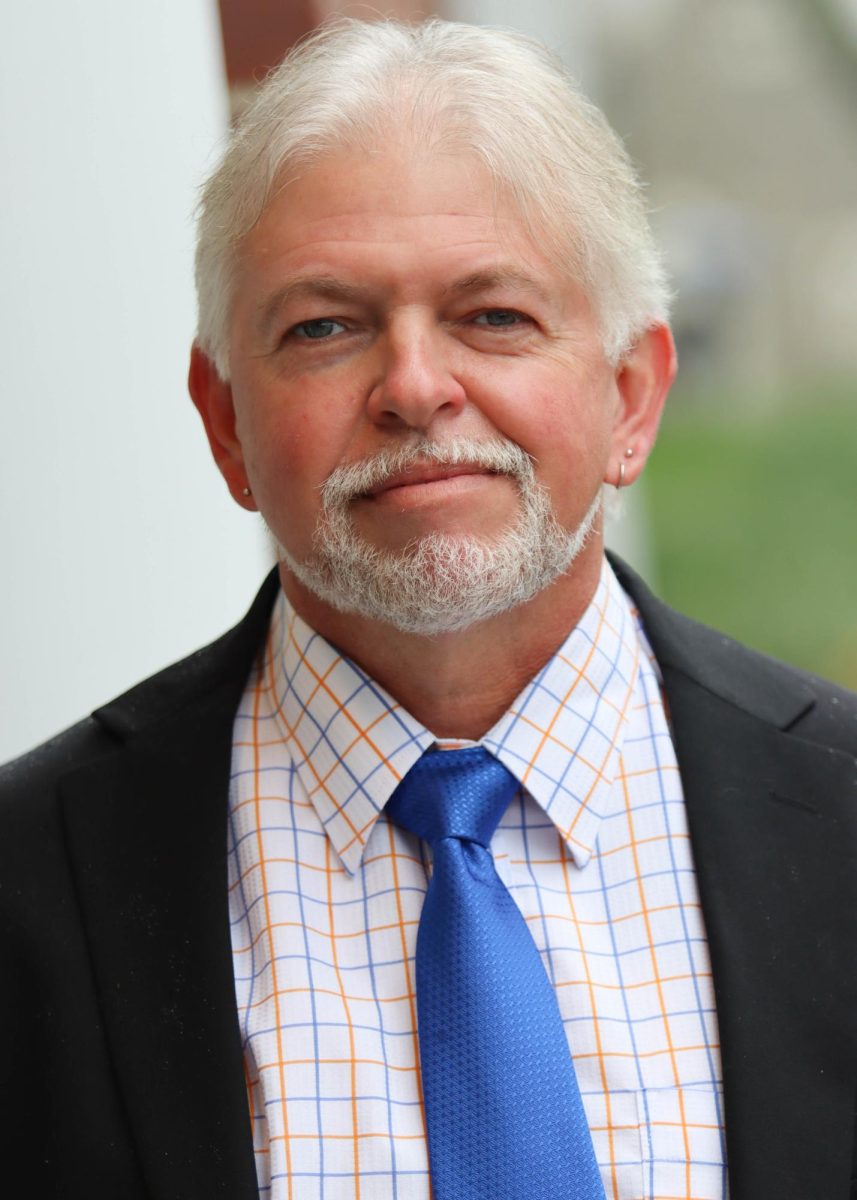
“There’s no question that there are challenges associated with conference,” said Dr. MacNeil. “Some of it just has to do with people’s schedules.”
The most immediate problem, however, isn’t just scheduling but the student behavior. “We’re finding that students are generally not making use of conference because they’d rather go to lunch,” Dr. MacNeil said. Many students are crowding into first lunch even when their assigned conference lunch is later. That creates a domino effect: students who genuinely need first lunch are waiting 20-25 minutes in line, while those skipping their designated blocks are inadvertently hurting their peers.
“Without anybody’s intention, the kids who weren’t following the rules are hurting the ones who have to follow the rules,” Dr. MacNeil said. He added that he and Dean Shaefer recently met to craft a solution, though he declined to share details before an official announcement.
When asked whether anyone is benefiting from the quieter conference blocks, Dr. MacNeil acknowledged that it’s still early to tell. The new servery is scheduled to be completed in late summer, which may allow schedule adjustments next fall. But for now, fixing lunch line crowding takes priority over fixing conference fragmentation. “It’s one thing if a kid doesn’t need to see a teacher,” he said. “It’s another thing if they do and they’re skipping out because their tummy is rumbling.”
Dr. MacNeil emphasized that the lunch rotation was designed to benefit everyone by distributing flow through the servery. “Students who are not doing what was asked of them are…not thinking that my clogging up the line is maybe going to really make it tough for the kid behind me,” he said. He also noted that cutting in line is “even more egregious” and that some adult monitoring may be introduced.
For now, students and teachers are left navigating a new conference system while waiting for a fix. Whether that fix comes before the new servery opens remains an open question.