In conversations about neurodiversity, we often rely heavily on clinical labels—ADHD, autism, dyslexia—that reduce complex human experiences to diagnostic categories. Society tends to fixate on these labels rather than genuinely understanding the lived experiences of neurodiverse individuals. These labels, while medically useful, may overshadow the rich, nuanced realities of the people behind them. We categorize before we listen, diagnose before we empathize, and in doing so, we miss the opportunity to truly see each person’s unique journey.
I’ve lived my entire life with level one autism, which means I experience challenges with social communication and sensory processing while maintaining independent functioning. For years, I struggled silently, not fully understanding my own diagnosis or how to advocate for what I needed.
Let me briefly clarify what these terms actually mean. ADHD, or Attention-Deficit/Hyperactivity Disorder, affects how individuals regulate attention, impulses, and activity levels—often leading to challenges with focus, organization, and sitting still. Autism Spectrum Disorder (ASD) encompasses a range of conditions affecting social communication, sensory processing, and behavior patterns, but each autistic person experiences it differently. Dyslexia is a learning difference that primarily affects reading, spelling, and the processing of written language, despite normal intelligence. Other neurodivergent conditions include dysgraphia, affecting writing abilities, and dyscalculia, impacting mathematical reasoning. What’s crucial to understand is that none of these are deficits in intelligence or worth; they’re simply different ways our brains process information.
Perhaps the most damaging misconception is that being neurodivergent makes someone inherently flawed or less capable. People often assume we’re unable to take on certain tasks because of our “disabilities.” I challenge that framework entirely. Neurodiversity isn’t about disability, but about different abilities that bring unique strengths and perspectives to the table. The reality is that environments designed primarily for neurotypical individuals present significant challenges, particularly in academic settings. Traditional schools with long class periods, rigid schedules, and one-size-fits-all instruction can be overwhelming for neurodiverse students.
But Kent has taken a different approach. Our shorter class periods—averaging four per day—help prevent sensory overload and overstimulation. The Academic Resource Center (ARC) provides individualized support for students who learn differently. These aren’t just nice additions; they’re essential accommodations that level the playing field. Furthermore, other essential accommodations include extended time on tests, quiet testing environments, flexible deadlines, and alternative ways to demonstrate learning. They remove barriers that interrupt our learning.
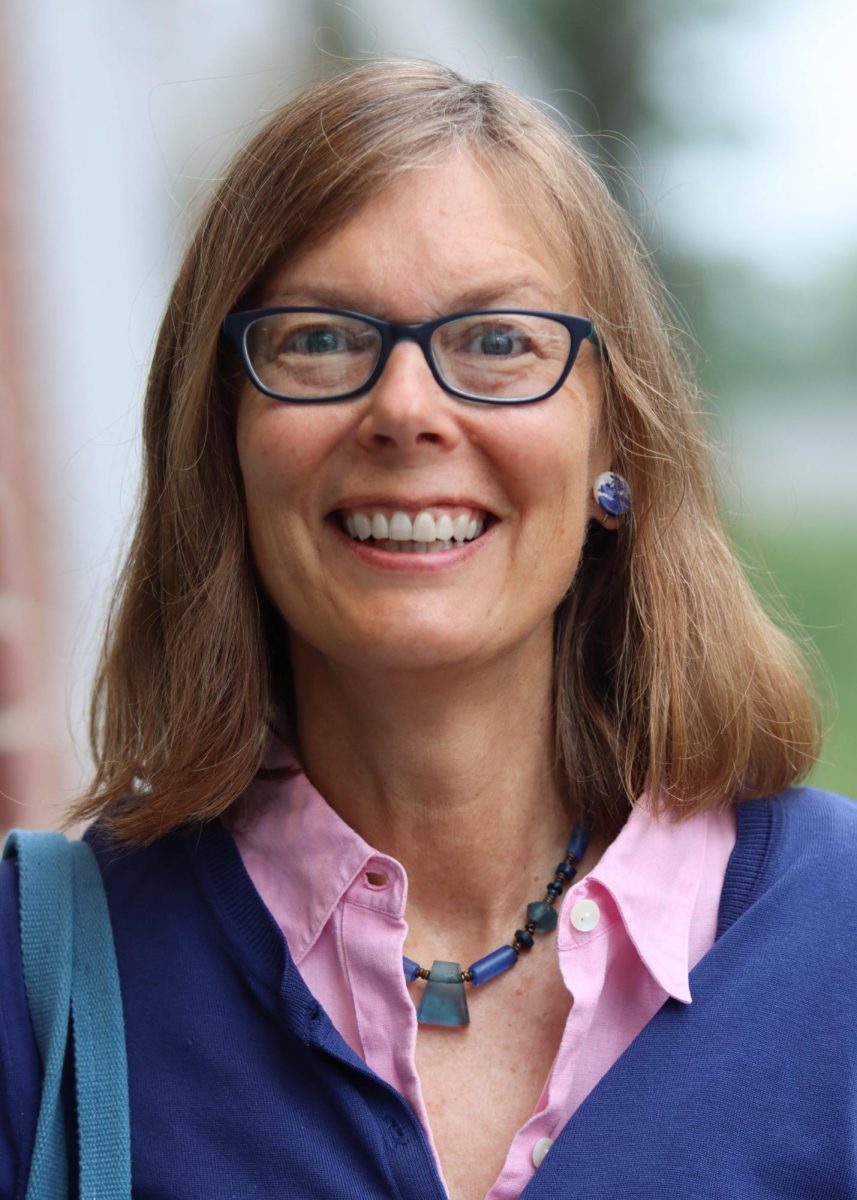
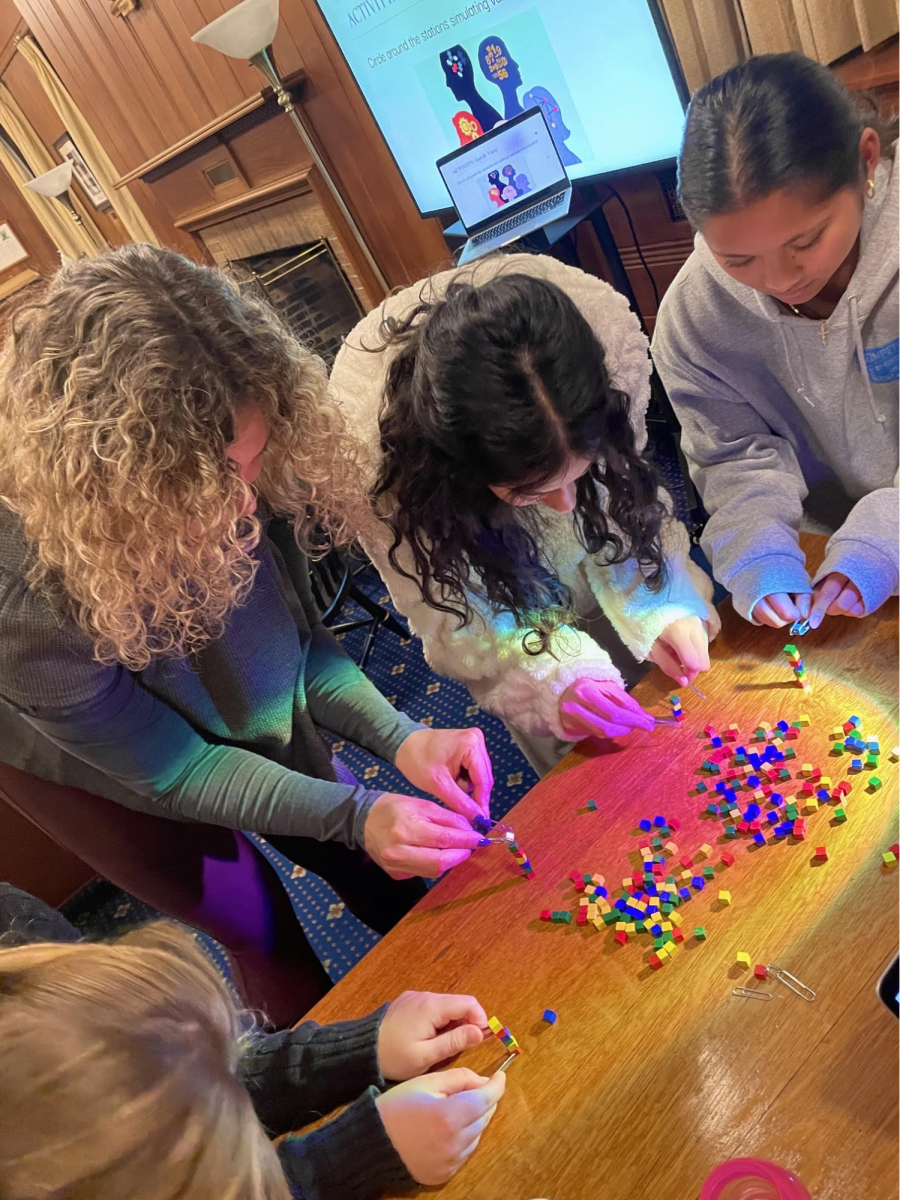
The discussions we had within our recent Neurodiversity Community Conversation were crucial. The event was hosted by The Butterfly Project, a program that advocates for the inclusion of the neurodiverse community. The six of us (myself, Michelle Lu, Henry Destino, Wanessa Anderson, Mrs. Varallo, and Ms. Pendergast) sat before our peers and administrators to help our community understand what life is like as a neurodiverse person and what accommodations can transform struggle into success. We were honest about our challenges: difficulty maintaining focus during long lectures, overwhelming stress when managing multiple deadlines, and challenges making social connections in a world that doesn’t always understand our communication style. These obstacles are real, and they can make even simple tasks feel monumental.
But here’s what often gets overlooked: these same students have achieved remarkable things. Some have earned top academic honors. Others have learned to fly planes, mastering complex technical skills that demand precision and dedication. Many have developed deep expertise in subjects they’re passionate about and found genuine happiness on their own terms. Our neurodivergence hasn’t prevented success—in many cases, our unique perspectives have been the very source of our achievements.
Beyond educating our peers, the panel demonstrated how open conversations reduce stigma. Our lived stories build empathy, shift perspectives, and foster understanding. This model of understanding should exist in all schools—not just adequate academic support systems, but genuine dialogue that advocates for neurodivergent students both inside and outside the classroom.
Neurodiversity demands both inclusion and understanding. When you create space for different minds to thrive through thoughtful scheduling, individualized support, and open dialogue, you don’t just help neurodiverse students succeed—you strengthen the entire community. Continue having conversations; keep advocating for accommodations. And remember: neurodivergence isn’t a limitation. It’s a different way of experiencing the world that, when given the right support, becomes a powerful source of strength for individuals and communities alike.